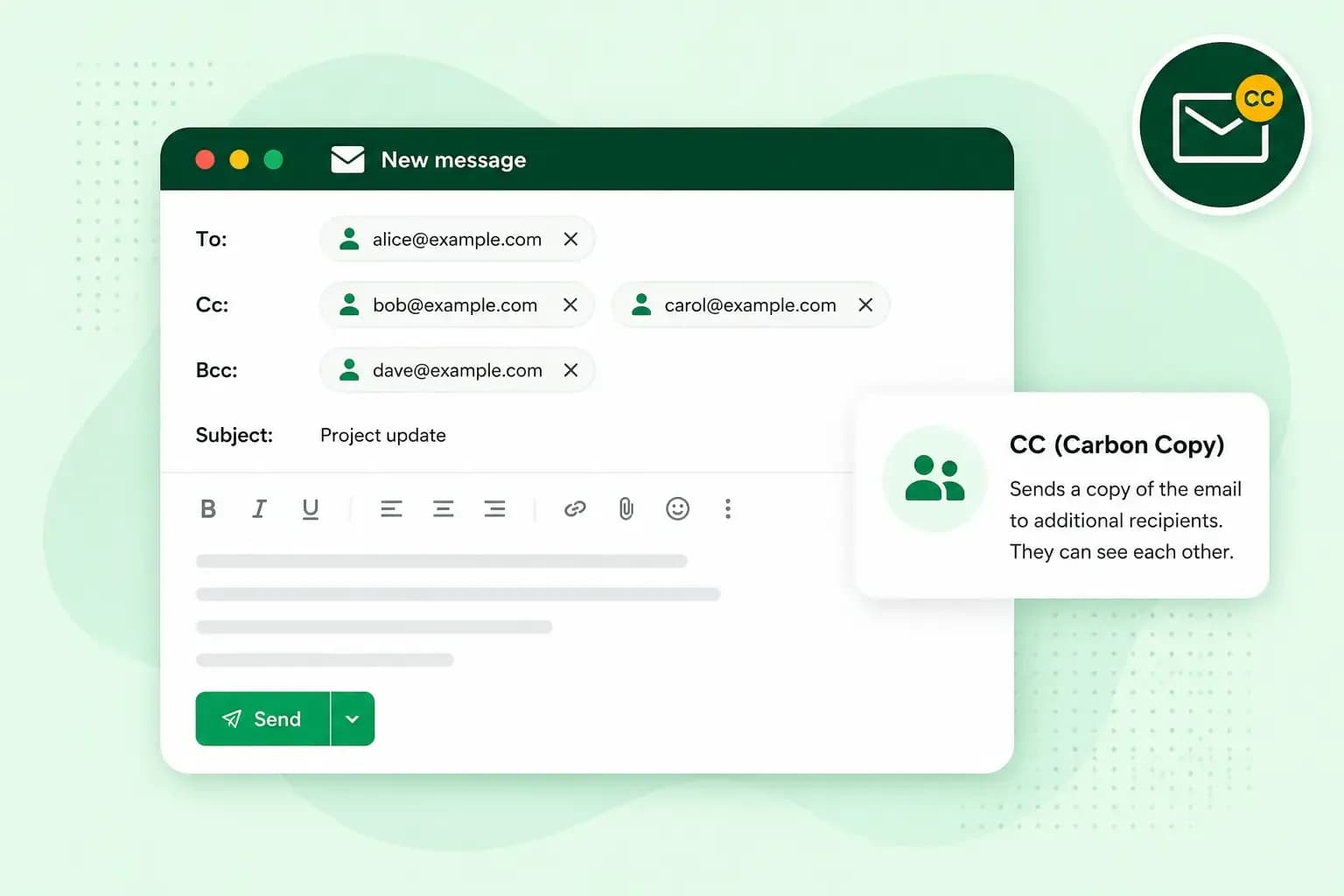
CC in an email stands for carbon copy: the person in the CC field receives a copy of your message because they should know about it, even though it isn't addressed to them. They get the same email as the main recipient, and everyone on the email can see who was copied in. For example, when you send a quote from hello@yourgardendesign.co.uk to a new client, the client goes in To and your business partner goes in CC, so your partner sees what you've offered without having to act on it.
What does CC stand for?
CC stands for carbon copy, a name that goes back to carbon paper: before photocopiers and email, a carbon copy was the duplicate of a typed or handwritten letter, made with carbon paper as you wrote. Email kept the idea and the name: in an email, CC still means a copy for someone besides the main recipient. You see those people on the emails you receive, where the CC line shows who was copied in openly, alongside the people in To.
What's the difference between To, CC and BCC?
To, CC and BCC differ in who the email is for and who can see each address. To is for the people you expect to read the email and act on it, CC is for people who should know about it, and BCC sends a copy without showing that person's address to anyone else.
To, CC and BCC compared
| To | CC | BCC | |
|---|---|---|---|
| Who it's for | The main recipients | People you keep informed | People you copy in without showing their address |
| Can other recipients see the address? | Yes | Yes | No |
| Expected to reply or act | Yes | Usually not | Usually not |
| Receives other recipients' Reply all | Yes | Yes | No |
When you email a group of people who don't know each other, BCC (blind carbon copy) keeps their addresses private.
When should you use CC?
Use CC when someone needs to know about an email but isn't the person you're asking to do something, for example to:
- keep your manager up to date on what you've agreed with a supplier
- copy in a colleague who is taking over a job and needs the history
- show a client that the right person on your team has seen their request
Anyone you need an answer from belongs in To, because people in CC aren't expected to respond. Keep CC for the people who really need to see the email: every extra copy is one more message in someone's inbox, and anyone who shouldn't see something confidential in it is better left out.
For a UK business, CC on a group email is also a data protection issue, because if you're writing to a group of customers who don't know each other, CC shows every address to everyone. The ICO, the UK's data protection regulator, says that getting BCC wrong in emails is among the data breaches it hears about most, year after year. For emails with sensitive personal information, its advice is to go further than BCC and use a bulk email service, mail merge or a secure data transfer service.
What happens when you're CC'd?
When you're CC'd, you're usually not expected to reply: the email is addressed to someone else, and you're copied in to stay aware of the conversation, the way your business partner is copied in on the quote. You can still answer if you have something to add, and then it matters which button you use. Reply sends your message only to the sender, while Reply all sends it to the sender and everyone on the To and CC lines. Before you choose Reply all, check whether everyone really needs your answer, especially on an email that went to a lot of people, and take out anyone who doesn't.
How do you CC someone?
You CC someone by adding their address to the CC field of your email before you send it. Some email programs only show a To line at first: in Gmail, for example, you get the option to add a Cc field when you add recipients. For the quote, your client’s address goes in To and your partner’s address in CC. If more than one person needs a copy, all their addresses can share the CC field.
Send quotes and copy in your partner from an address on your own domain, like hello@yourgardendesign.co.uk, with a mailbox for your business.
Recommended reading
 Email10 Nov 2025
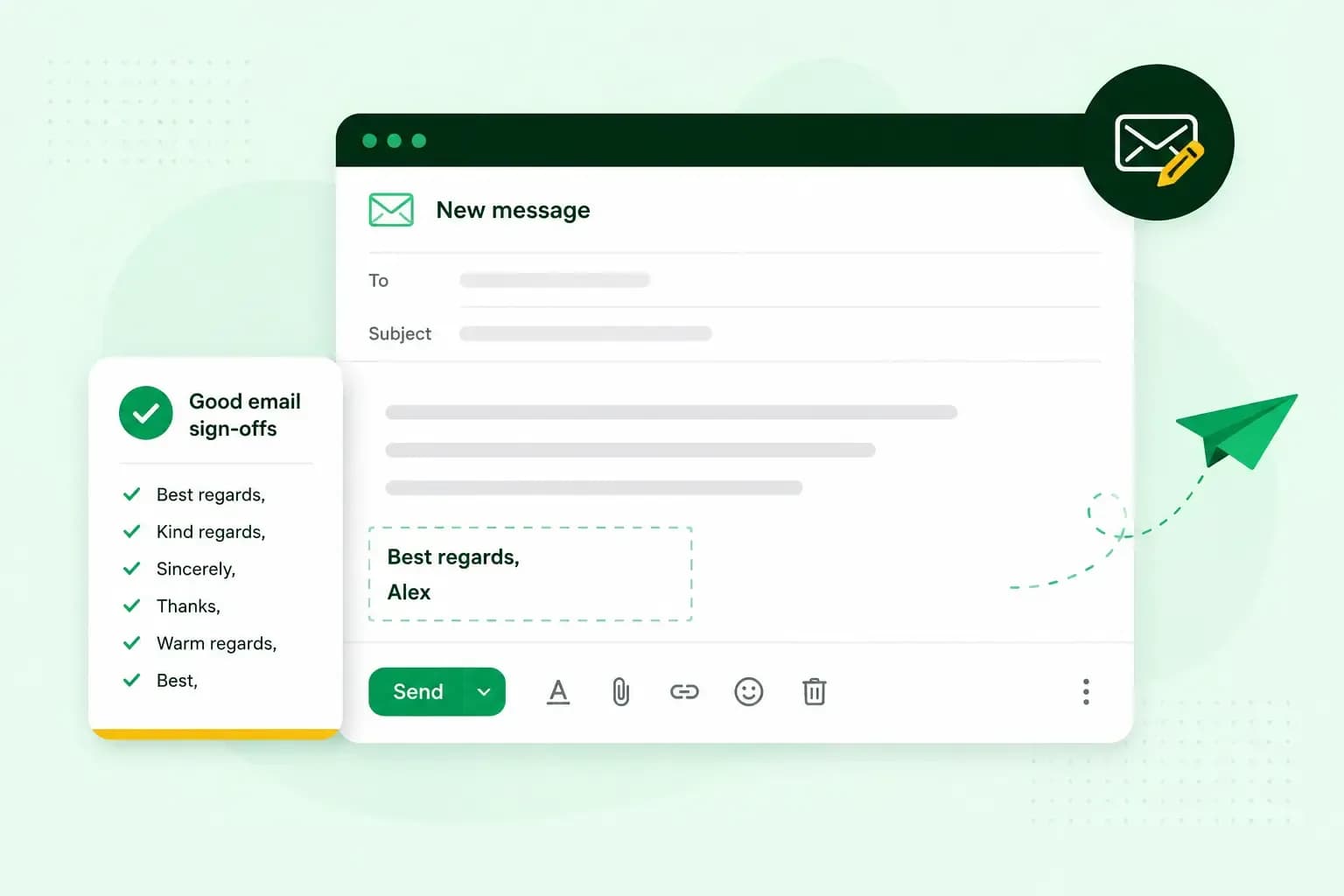
How To End An Email
How you end an email impacts how it is perceived. We have collected the best ways to sign off emails in English.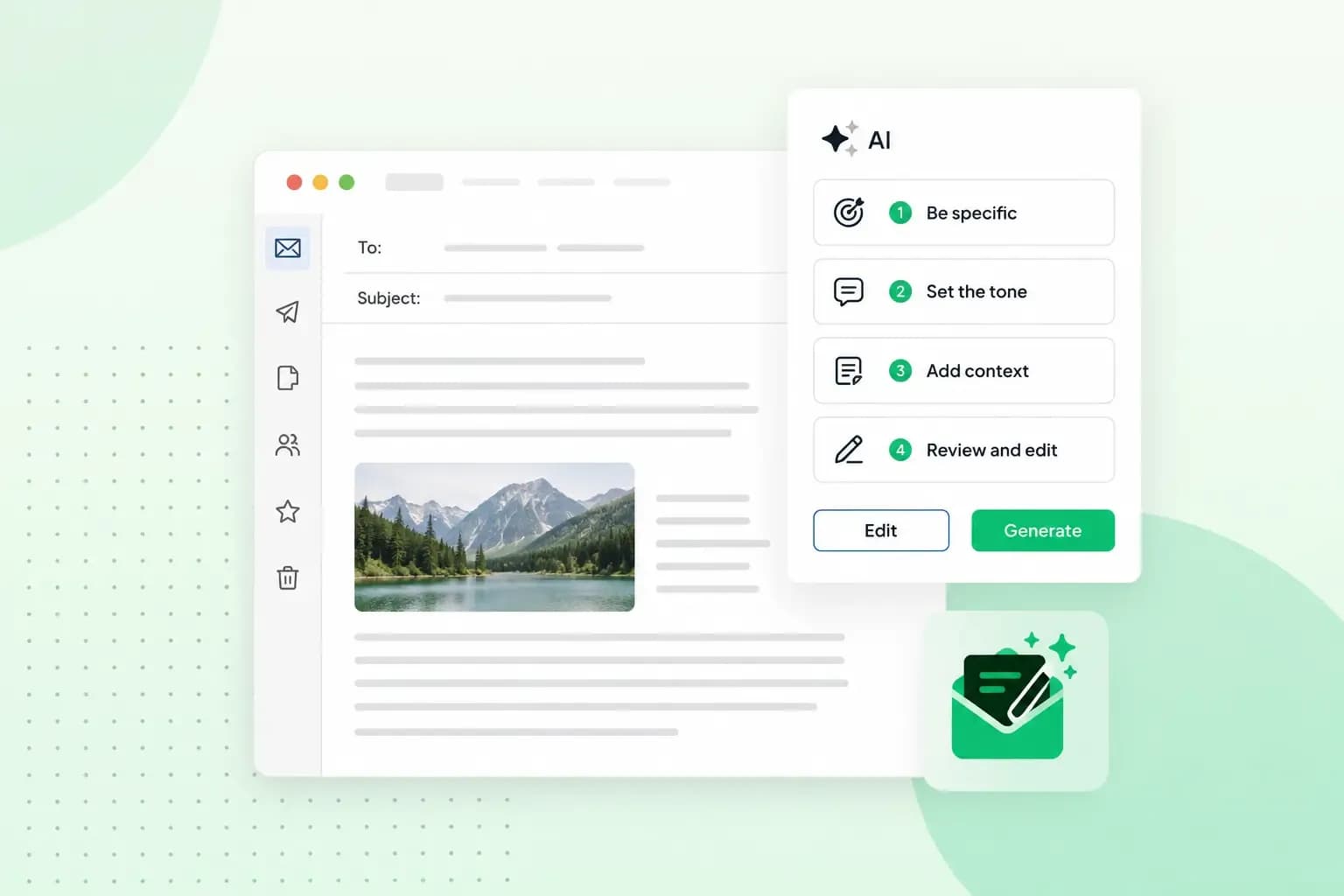 Email23 Oct 2025
4 tips for better results with AI email writing
Save time without sacrificing quality: learn how to use AI for email writing and create personalised emails effectively. Tips for crafting clear and compelling prompts.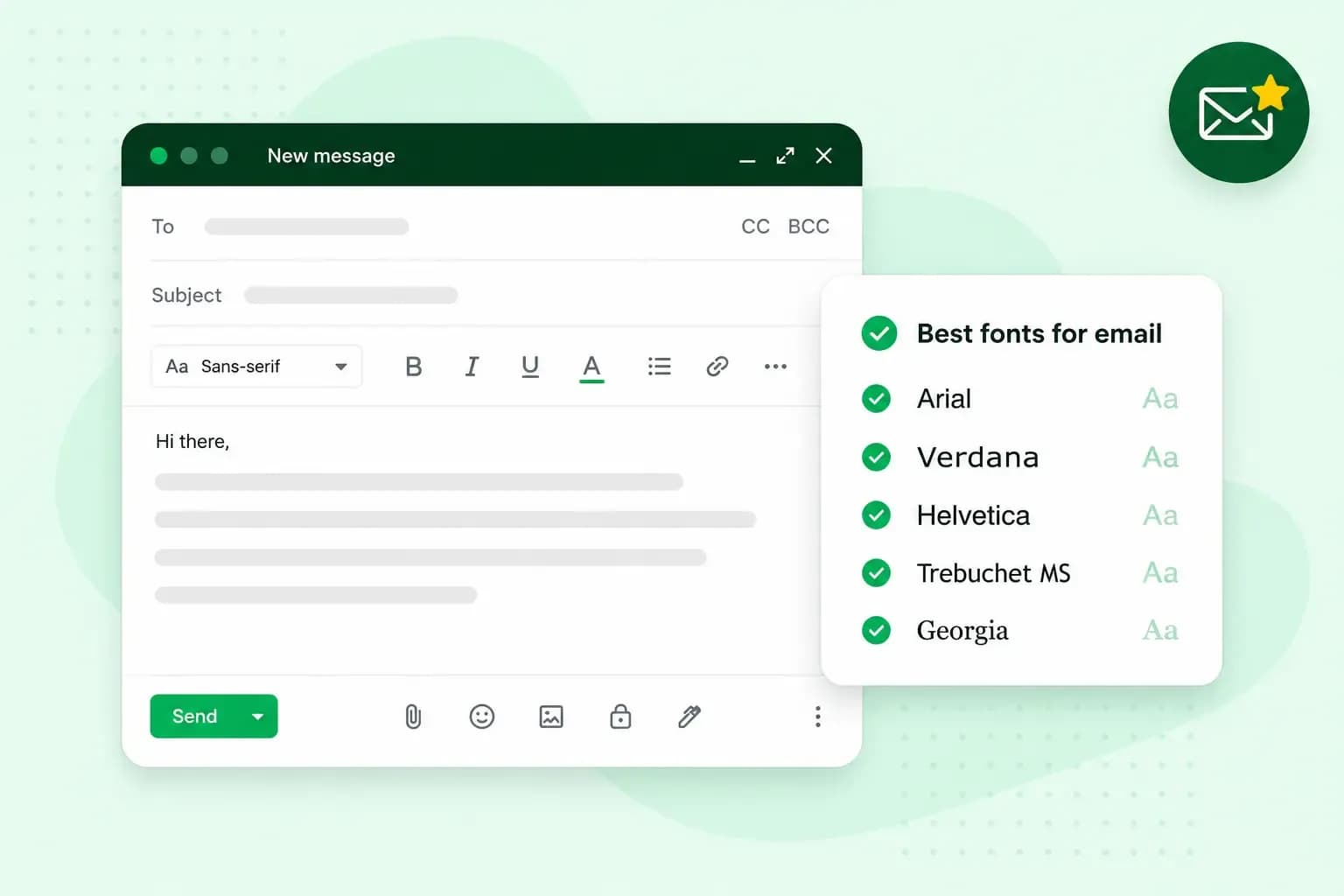 Email10 Oct 2025
What is the best font for email?
Sending the perfect email is essential. Read our tips on what you should consider when choosing the best professional font to ensure success.