
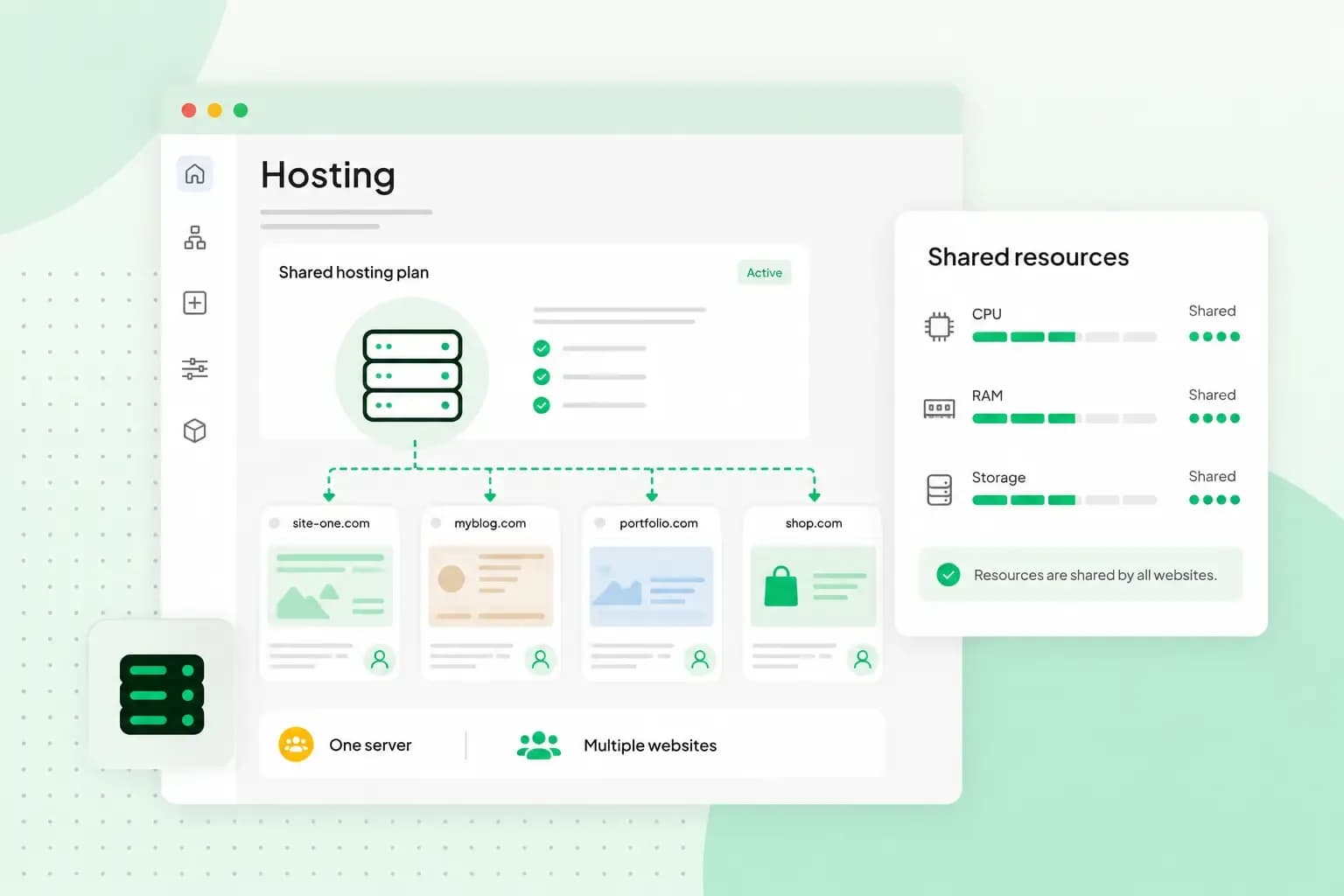
Shared hosting is a type of hosting where your website sits on one server together with the websites of other customers. You all share the server's memory, processing power and storage, and you split the cost of running it. It works a bit like sharing a flat: the rent is lower, but you also share the kitchen.
That makes this kind of web hosting the better choice when your website is small and gets a modest number of visitors. With a VPS, by contrast, you get resources set aside for your site alone, and more control over the server.
How does shared hosting work?
Your website sits in a shared hosting account on a physical server, one machine in a data centre that holds many websites. The websites on it usually share the server's IP address. Each one is still reached through its own domain, and its files are stored in a space of their own.
The hosting provider runs the server itself. With our shared hosting, we take care of server maintenance and the technical and security updates, and you look after your website.
Advantages of shared hosting
The main advantage is the price. Everyone on the server shares its running costs. With a server of your own, you'd pay for its upkeep alone. You also have no server to manage, and you need no knowledge of servers to get your site online.
Getting started is quick too. With our hosting, a control panel lets you manage your website, email and domain in one place, without touching the server. On any of our plans, you can also install WordPress in one click.
Disadvantages of shared hosting
- Limited resources. Your plan sets how much storage, memory and processing power your site can use, and a site that keeps growing can reach those limits.
- Other sites can slow yours down. Each account has its own limits, but all of them run on the same machine, so a rush of visitors to another site can make yours load more slowly.
- Less control. You don't get root access to the server, the full administrator access that lets you install any software and change any setting.
- Not made for heavy traffic. A busy online shop, or an application that needs a lot of power, can need more than a shared account gives it.
When shared hosting makes sense
Shared hosting suits a blog, a personal site or a simple business website with low to moderate traffic.
A VPS is the better choice when your site needs dedicated resources, root access or software of its own. With a VPS you look after the server yourself, including updates, security and configuration. With Managed VPS, you get the same resources, and we manage the server for you.
Our advice: start with shared hosting if your website is mainly there to show what you do and bring in enquiries. You'll usually notice when your site regularly hits the limits of its plan: pages load slowly at busy times, or you run short of storage. At that point, upgrade to a bigger plan from your account. You pay the difference in price for the months left on your subscription. Move to a VPS when even our biggest plan isn't enough, or when your site needs software of its own. Our comparison of a VPS and web hosting goes through the differences in more detail.
All our shared hosting plans include web space, email, an SSL certificate and a daily backup, so you don't need to buy them separately.
See hosting plansCommon questions about shared hosting
How much does shared hosting cost?
Shared hosting is usually the cheapest kind of hosting, and what you pay depends on what your website needs and the features of your plan. Plans differ in how many websites they hold, how much storage and memory they give you and how many email inboxes come with them. The length of your subscription matters too, and the renewal price can be higher than the first term. Check both before you sign up.
Can you host more than one website on shared hosting?
Yes, depending on the plan. With us, Starter is for a single website, while Professional holds up to 3, Business 10 and Max 25. So from Professional up, you can keep a business website, a blog and a portfolio in one account.
Is shared hosting secure?
Yes, as long as both you and your host do your part. On our shared hosting, every plan comes with an SSL certificate that encrypts the connection between your site and its visitors. Each plan also includes DDoS protection and a web application firewall. DDoS protection helps keep your site online when someone floods it with traffic, and the firewall helps block harmful requests before they reach your site. We update the server, and you keep your website's software up to date, such as WordPress and its plugins, and use strong passwords.
Choosing your hosting plan
Before you choose, count the websites and email inboxes you need today, and the ones you expect to add this year. Then choose a hosting plan with room for both.
Recommended reading
 HostingNov 6, 2026
504 Gateway Timeout: what it means and how to fix it
A 504 Gateway Timeout means a server in between got no answer from the website in time. See whose fault a 504 error is and how to fix it, WordPress included.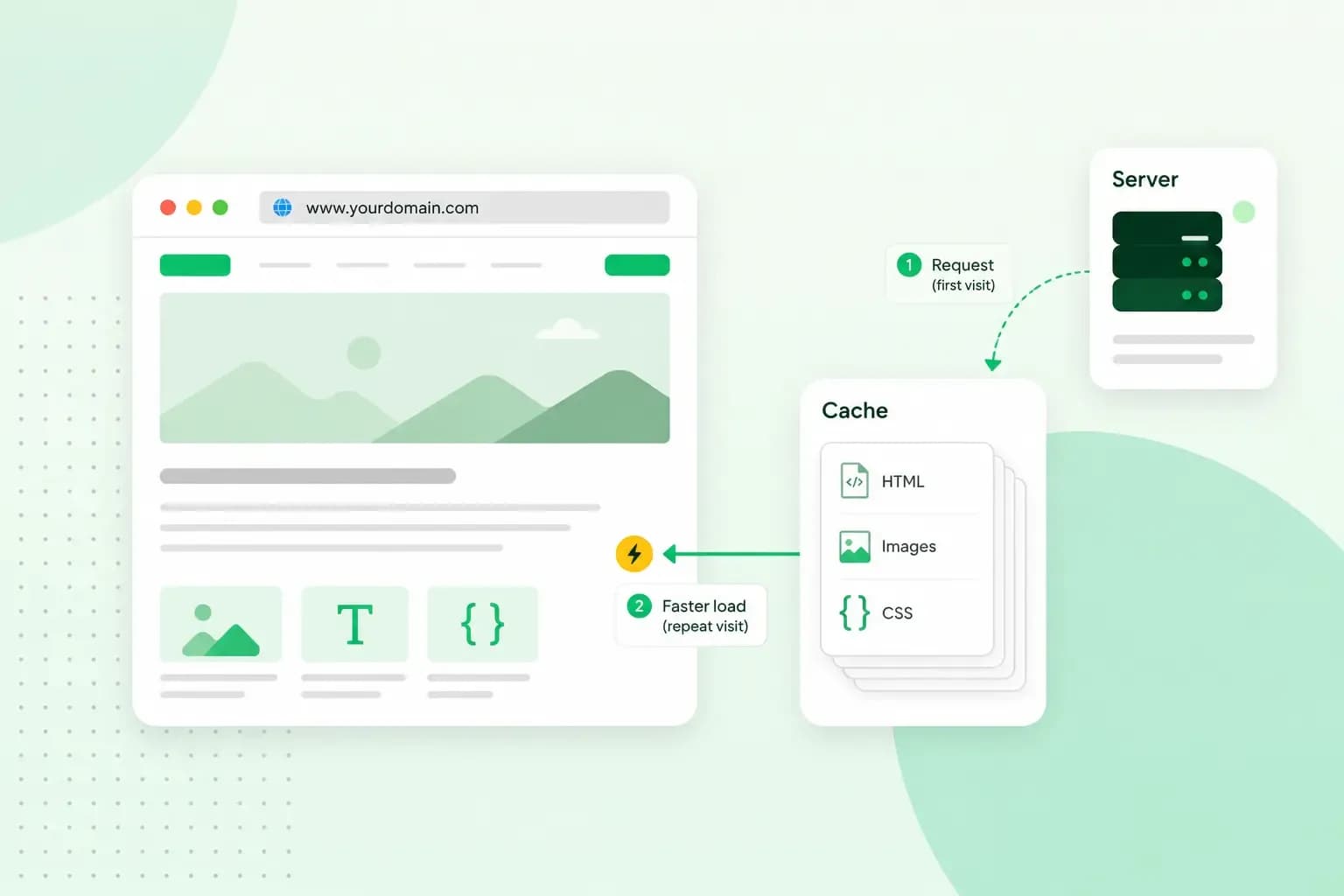 HostingAug 4, 2026
What is website cache?
What does cache mean? And how to clear your cache? Read the importance of cache and why it's necessary to clear your cache once in a while.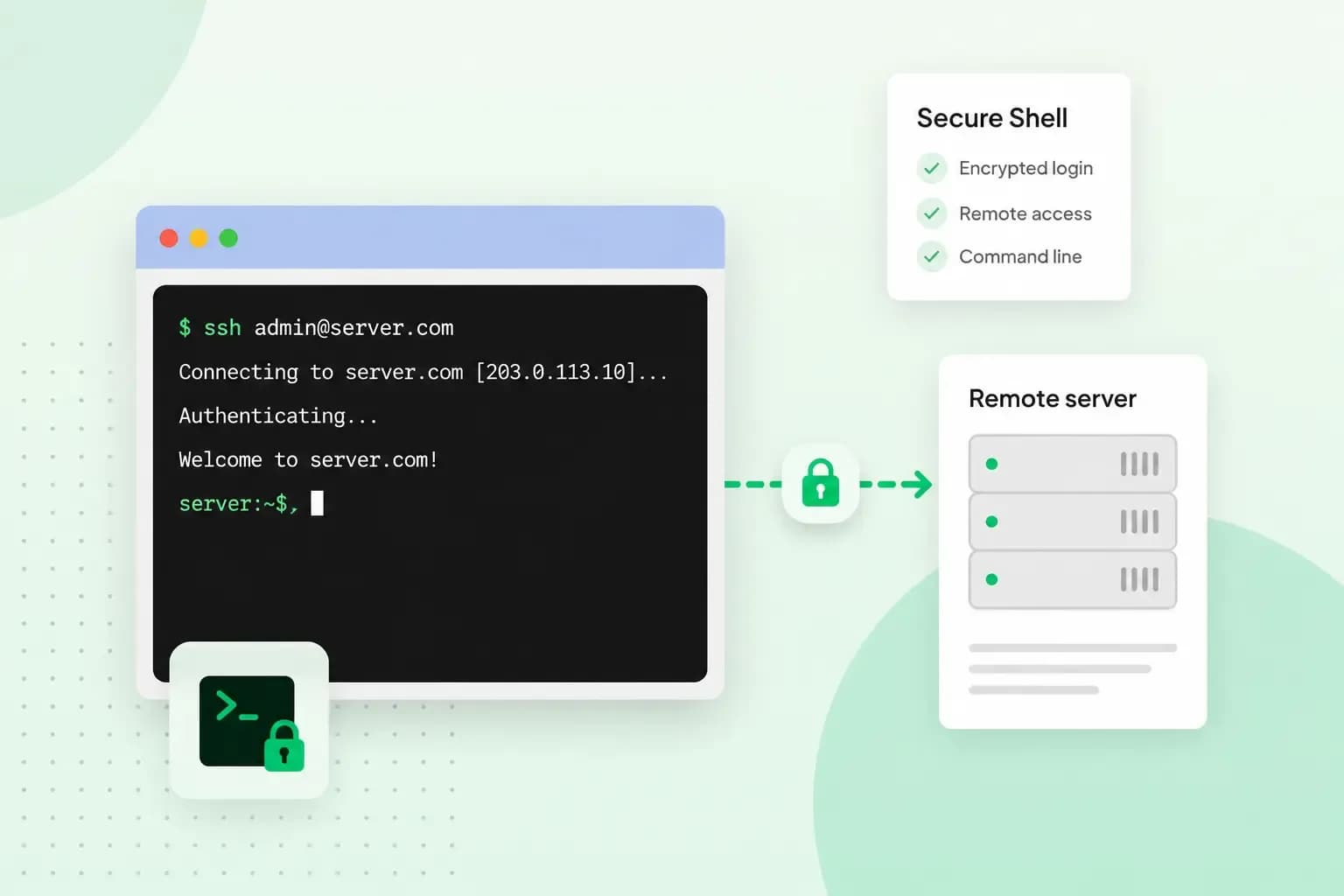 HostingAug 4, 2026
What is SSH?
How does SSH work & what does it do? Learn about the history of Secure Shell's predecessor Telnet and how SSH improved our internet security in this article.