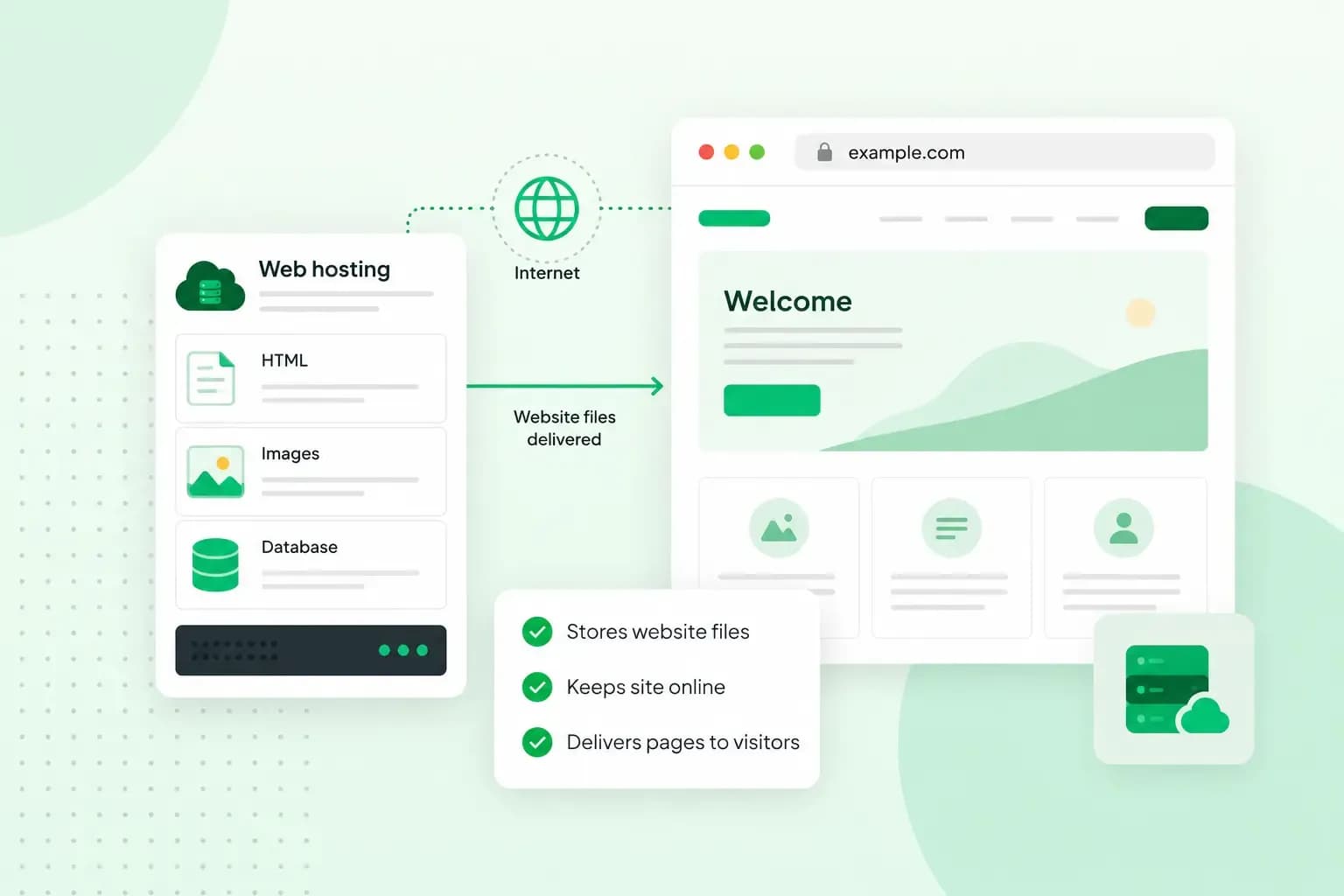
The basic infrastructure that puts your website on the internet
Web hosting is a service that allows you to publish your website on the internet. It involves storing all your website files on a server and providing a way for people to access those files through a web browser. Think of it like renting a space on the internet. In simple hosting meaning terms, a web host rents you space and resources so you can host the web content people visit.
If you’re researching “what is web hosting” you’re probably trying to understand how to start building your website. Web hosting is a must-have when it comes to getting your website live, and understanding what web hosting is helps you choose the right web host to host the web presence you’re planning.
We’ve put together this article to help you understand what web hosting is, why you need it and how hosting providers like us can help you get up and running. We’ll also clarify web hosting meaning questions such as what is website hosting, what is a web hosting service, and what is a host in website setups.
What is web hosting?
Web hosting is an online service that allows you to publish your website files onto the internet. So, anyone who has access to the internet has access to your website. In practice, it usually refers to the service you get from a web hosting provider like one.com. Put another way, what is website hosting services? It’s the bundle of resources, software, and support a web host provides so you can run your site reliably.
While you can theoretically host an actual server for your website at home, relying on a web hosting service provider offers lots of benefits. When people ask “what is the web hosting service” or “what is a web host,” they’re asking what web hosting is in practical terms: a company that supplies servers, storage, and connectivity to host the web pages your visitors load.
How does web hosting work?
In summary, companies like us rent out services and technologies to host your websites on the internet. Once you’ve chosen your domain name and signed up to a hosting plan, then your website is accessible on the internet. This is web hosting what most users experience day to day.
When you use web hosting services, your web host is responsible for making sure your server is up and running. Not only that, but it is also a host’s job to prevent any security breaches and store all your files, assets, and databases onto the server. If you’ve wondered what is a host in website management, it’s the provider ensuring uptime, speed, and security. If you choose one.com to host your website, we offer many other services to enhance and protect your site, reflecting the full web hosting meaning.
What types of web hosting are there?
Most web hosts will offer different types of hosting and each will vary in cost. It all depends on your website’s needs. We’ve compiled a list below to help you understand which type of hosting is best suited to you and clarify what is website hosting services in practice.
Shared hosting
Shared hosting is when a web hosting provider hosts a number of different websites on the same server. It is the most affordable form of hosting because you share the same server, so you split costs. If you are looking to start a blog or have a business that’s just starting up, then shared hosting is a good option.
In the past, sharing a server could lead to problems where a spike in traffic or resource usage from a single site would slow down its “neighbouring” websites. However, these days plans come with a generous amount of resources that ensure good performance and show what web hosting is capable of even at entry level.
WordPress hosting
WordPress hosting simply means hosting that has been optimised for WordPress on a server level to ensure smooth sailing.
How is WordPress different from regular hosting? While details vary by provider, most WordPress hosting packages offer these common traits:
- Simple one-click installation that avoids the dozen or so manual steps in configuring a new WordPress site. At one.com, WordPress installs automatically in under a minute.
- Server configurations optimised for faster loading of WordPress sites. This could include performance cache optimisations and other tweaks.
- Security measures to protect against common WordPress vulnerabilities. As WordPress powers a large share of the web, it regularly comes under attack. You might also come across “Managed WordPress”, which often refers to a pre-defined secure environment that restricts usage of unsupported or vulnerable plugins.
WordPress hosting can run on shared, VPS or dedicated servers.
VPS hosting
VPS stands for Virtual Private Server. Like shared hosting, websites that run on VPS share a physical server with other websites. However, each VPS tenant has its own partition with guaranteed dedicated resources. There’s often more memory, storage and processing power available – with a price tag to match.
VPS hosting is recommended for highly experienced users with server management skills. VPS customers have root access to their partition and can configure their server software. This provides a high level of customization to run web apps built for those systems.
Dedicated hosting
Dedicated hosting means you have the entire server to yourself. It gives you access like a VPS, but you don’t have to share the server with other sites or apps. Effectively, you are leasing a physical web server housed at your service provider’s facility. You also have professional support and expertise on hand when needed.
This top-end option is only warranted for highly demanding enterprise-grade websites.
Cloud hosting
These days, cloud hosting has become a bit of a nebulous term. In the beginning, it referred to a VPS setup scalable to multiple servers; this way, if your web application had a sudden traffic spike, the system would be able to provision more resources and keep things running smoothly.
However, as the popularity of cloud computing has surged, some companies have started to co-opt the term for their regular shared or VPS hosting. Other providers offer cloud computing services, which usually include hosting in an array of other advanced tools.
What is the best web hosting service?
Web hosting offered by service providers like one.com comes with a variety of specifications and packages. Here is what to look out for when you’re shopping and evaluating what is a web hosting service:
- Any limitations on bandwidth and traffic; some web hosts charge extra once you hit a certain number.
- Built-in Website Builder or one-click WordPress installations that make it easy to get online quickly.
- Generous storage for media-heavy sites.
- Email hosting bundled with your plan.
- Domain registration services for a one-stop-shop.
- Great customer support available when you need it.
What our customers say about us: “Great service, amazing support and high quality web hosting.” – George
You can read more on how to choose between different hosting options here.
How much does website hosting cost?
Your website hosting cost will vary by provider. Technically you can use a free web hosting service, although, we do recommend avoiding them.
Free vs paid web hosting
By opting for free hosting, you may encounter problems such as unwanted advertising on your page and their domain name in your URL. When you pay for web hosting, you are in full control of what content is on your website.
There are numerous reasons to choose paid web hosting over free web hosting:
- Bandwidth and disk space – Free web hosts offer low bandwidth and limited disk space. Paid plans can offer much more.
- Content limitations – Free hosting often limits the number of images and videos you can upload.
- Security – Paid web hosting usually comes with much higher security, reducing breach risks.
- Domain name and URL – Paid providers let you use a custom domain.
- Server speed – Premium infrastructure improves performance.
Where do domains come into the picture with website hosting?
Think of your website as a house built from individual files. The hosting is the land the house is on, and the domain is its address. When someone types in the domain name, the browser locates the right server and downloads the files. This illustrates what web hosting is and clarifies web hosting meaning for beginners.
If you would rather leave the creation of your website to the professionals, we are happy to recommend our website design service.
Recommended reading
 Hosting4 Aug 2026
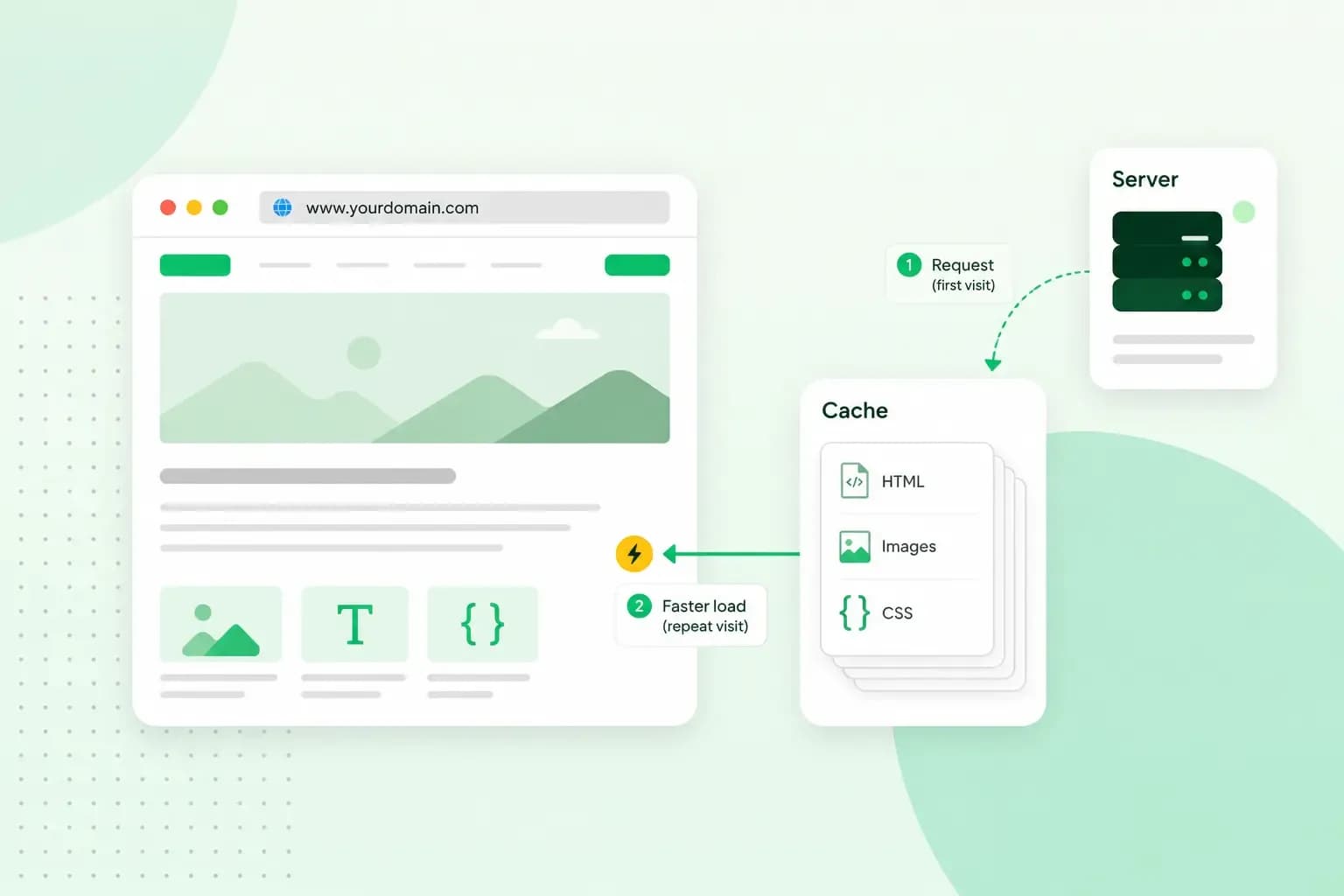
What is cache?
What does cache mean? And how to clear your cache? Read the importance of cache and why it's necessary to clear your cache once in a while.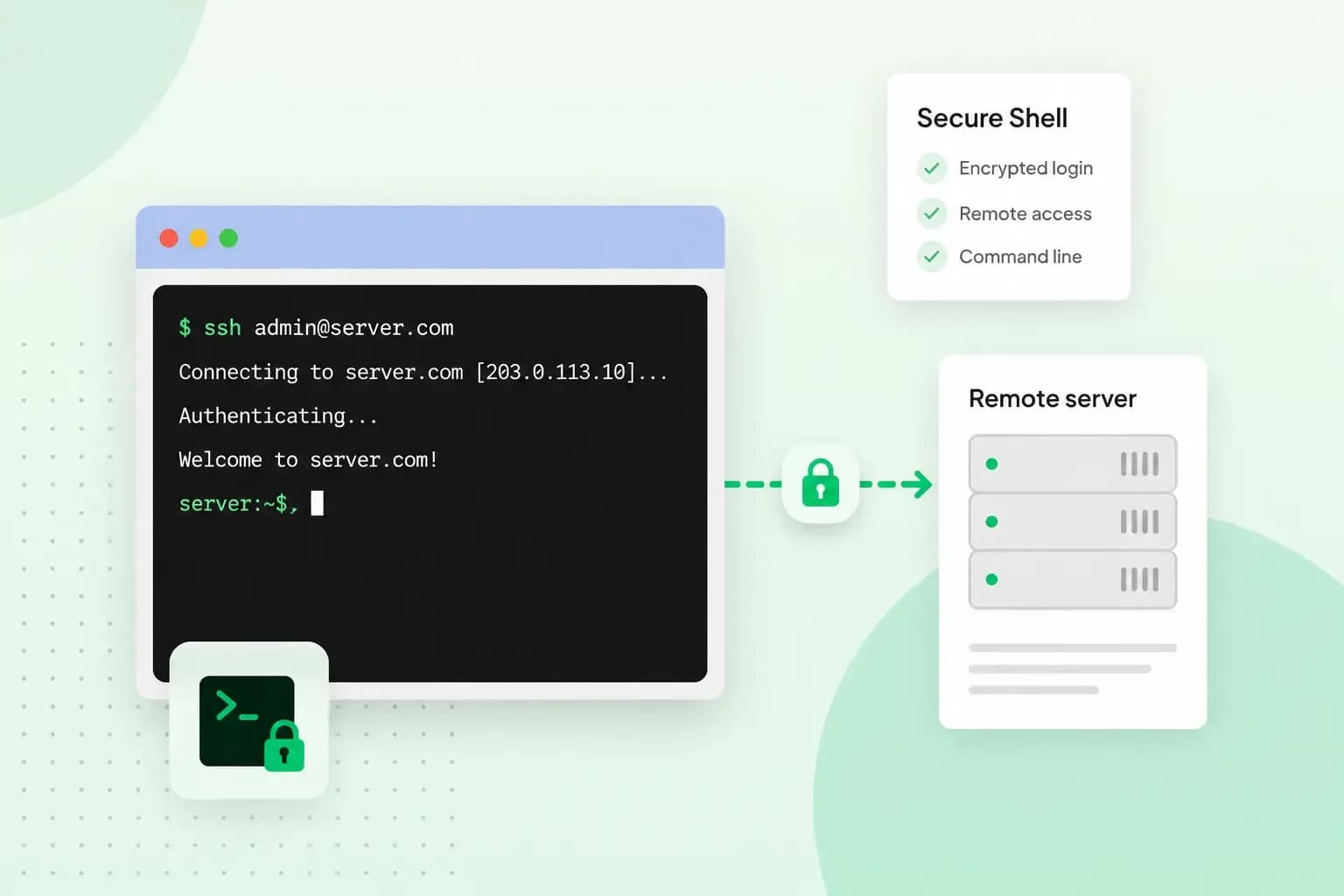 Hosting4 Aug 2026
What is SSH?
How does SSH work & what does it do? Learn about the history of Secure Shell's predecessor Telnet and how SSH improved our internet security in this article.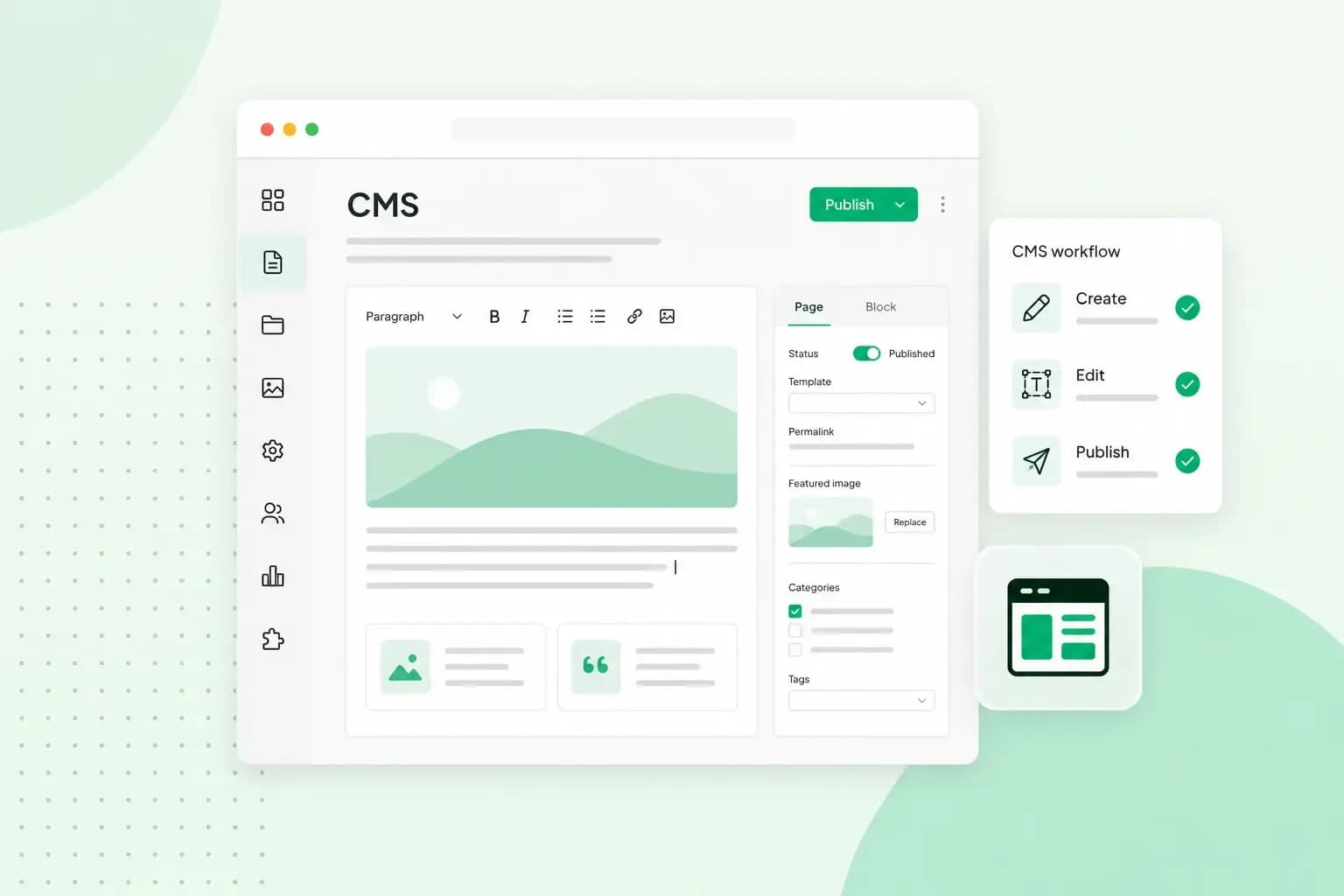 Hosting4 Aug 2026
What is a CMS (Content Management System)?
You can easily create and manage your website with a content management system (CMS). Want to know more? Learn all about CMS in this complete guide!