Hervorragend
25.004 reviews on

Hosting

Artikel

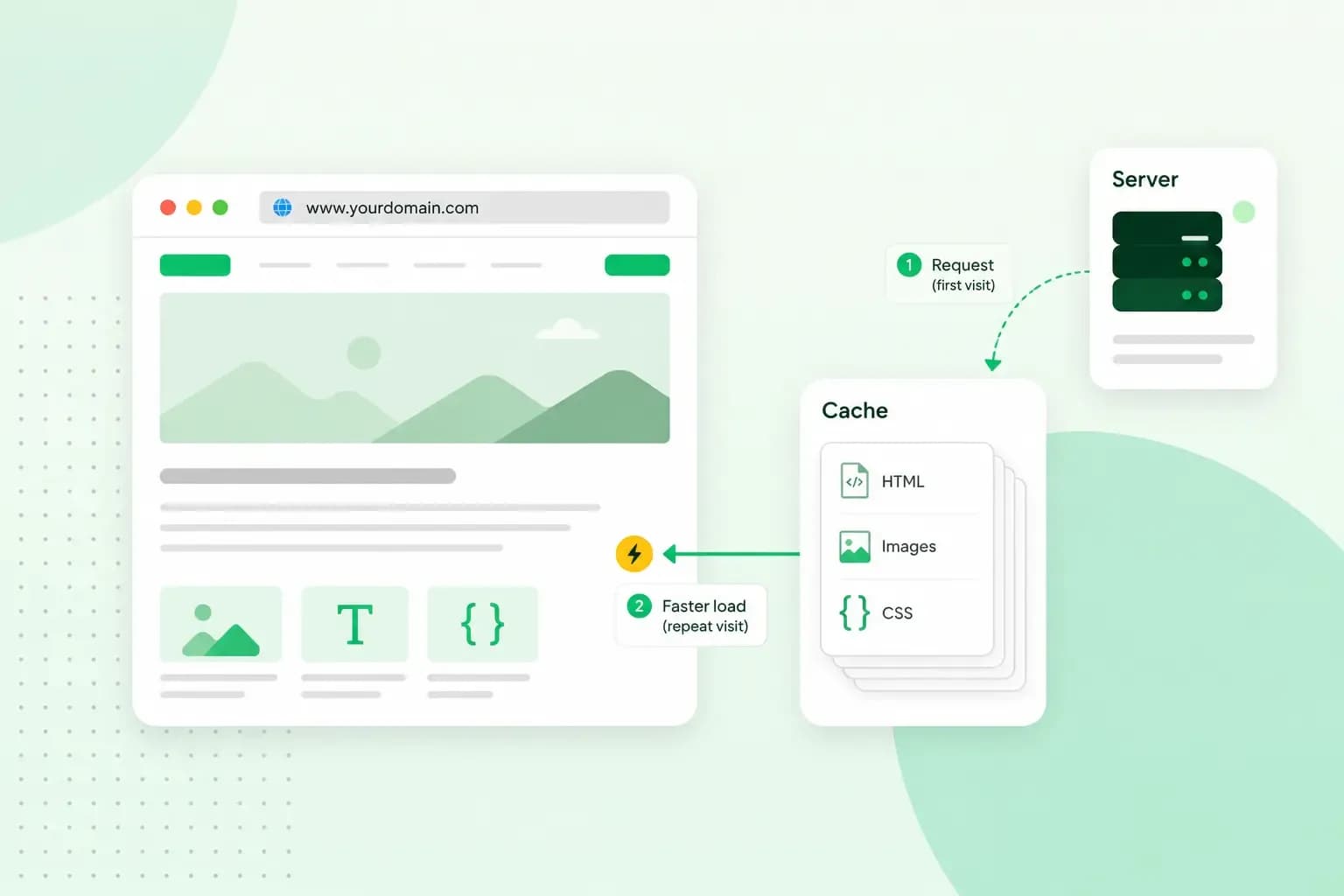
  • Illustration showing a website loading faster from cached HTML, images, and CSS instead of requesting them from the server on every visit.
    Hosting4. Aug. 2026

    Was ist Cache?

    Was ist der Cache und wie kann man den Cache leeren? Lesen Sie mehr über die Bedeutung des Cache und warum Sie ihn gelegentlich leeren sollten.
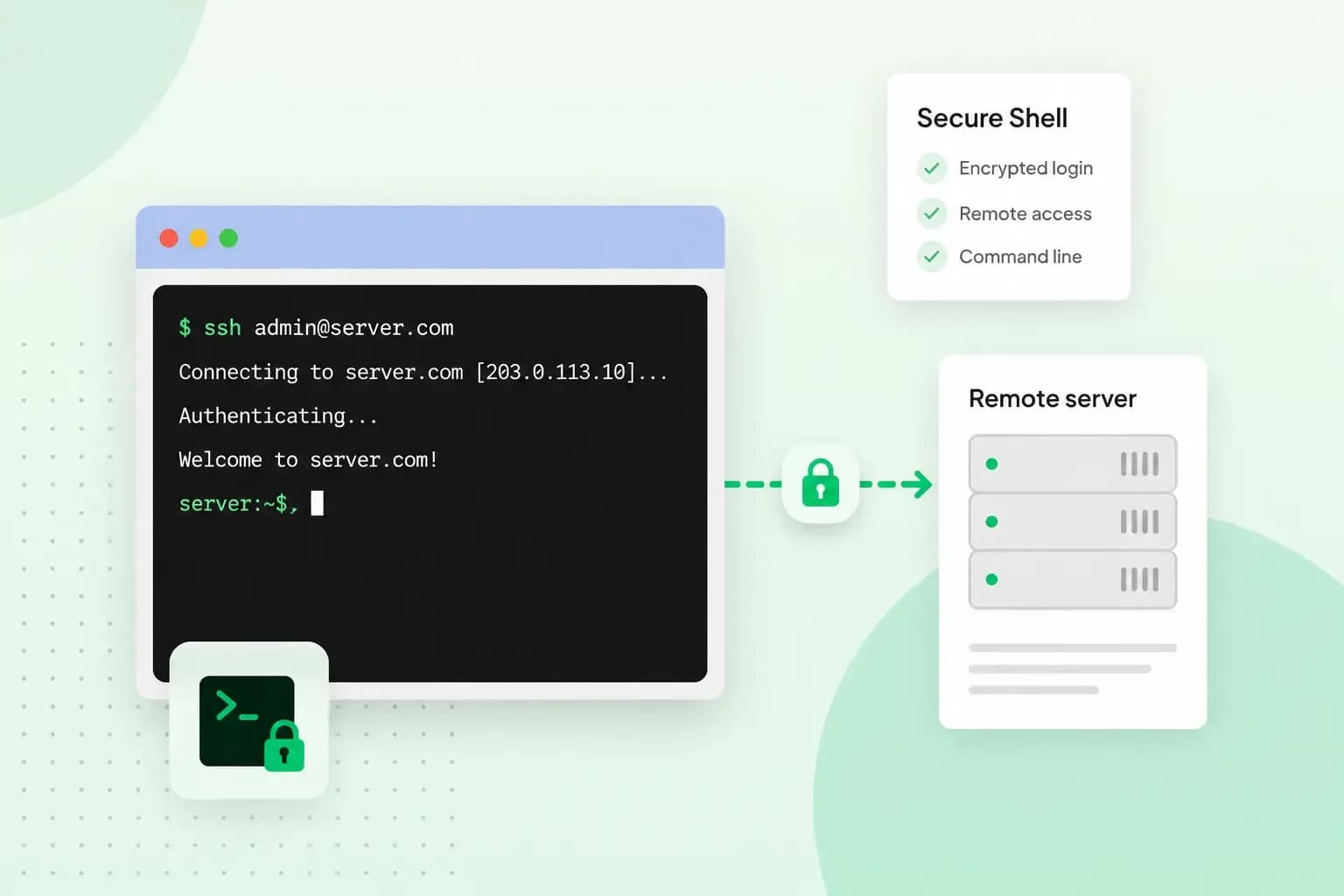
  • Illustration of an SSH terminal securely connecting to a remote server, with a lock symbol representing encrypted remote access.
    Hosting4. Aug. 2026

    Secure Shell: Was ist SSH?

    Was ist SSH und wie funktioniert es? Wir erklären Ihnen die Funktionsweise von Secure Shell und wie es die Sicherheit im Internet erhöht.
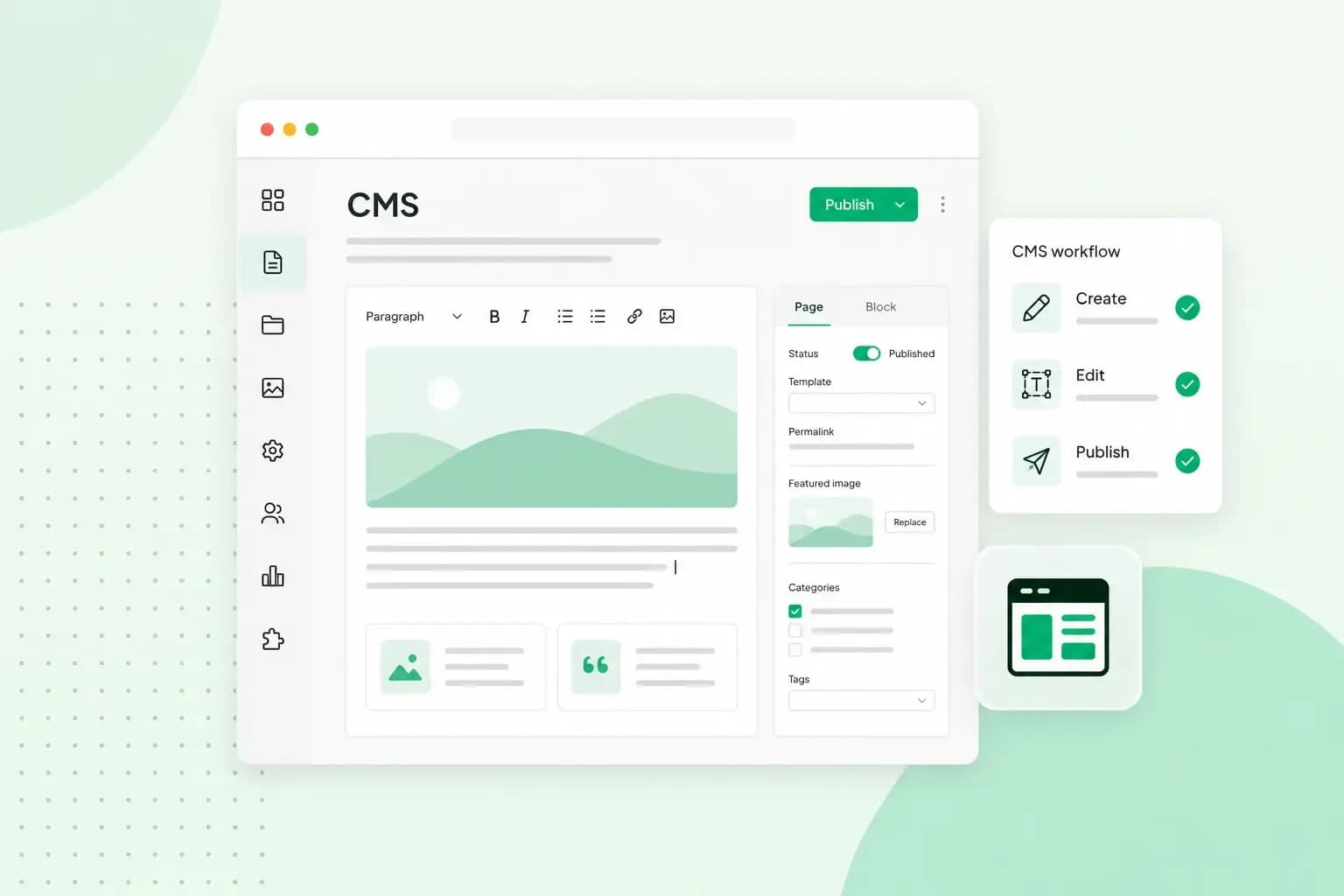
  • Illustration of a CMS dashboard for creating, editing, organising and publishing website content.
    Hosting4. Aug. 2026

    Was ist ein CMS (Content Management System)?

    Mit einem Content Management System (CMS) können Sie einfach Ihre Website erstellen und verwalten. Erfahren Sie hier mehr über verschiedene CMS.
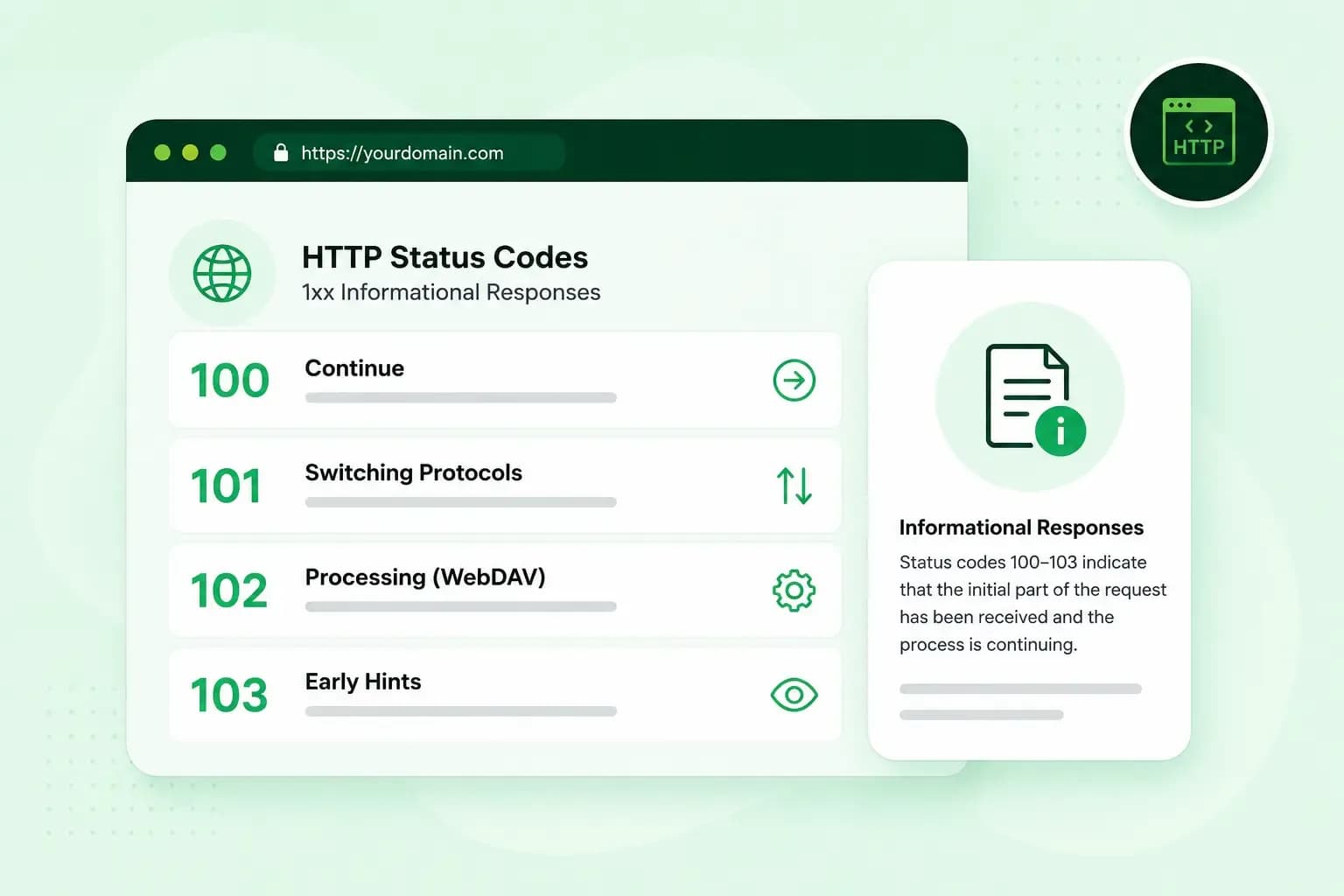
  • Illustration explaining HTTP informational status codes 100 Continue, 101 Switching Protocols, 102 Processing, and 103 Early Hints.
    Hosting7. Nov. 2025

    Was bedeuten HTTP 100, HTTP 101, HTTP 102 und HTTP 103?

    HTTP 100 bis HTTP 103 sind definitiv wissenswert – auch wenn Sie sie selten sehen. Erfahren Sie, was sie bedeuten und wie sie Ihre Website schneller machen können.
  • Illustration of an HTTP 503 Service Unavailable error caused by temporary server overload, maintenance, or high traffic.
    Hosting4. Nov. 2025

    Was ist ein 503-Fehler?

    Der HTTP-Fehler 503 kann Ihre Website lahmlegen. Erfahren Sie, warum er auftritt, welche Folgen er hat und wie Sie ihn dauerhaft vermeiden können.
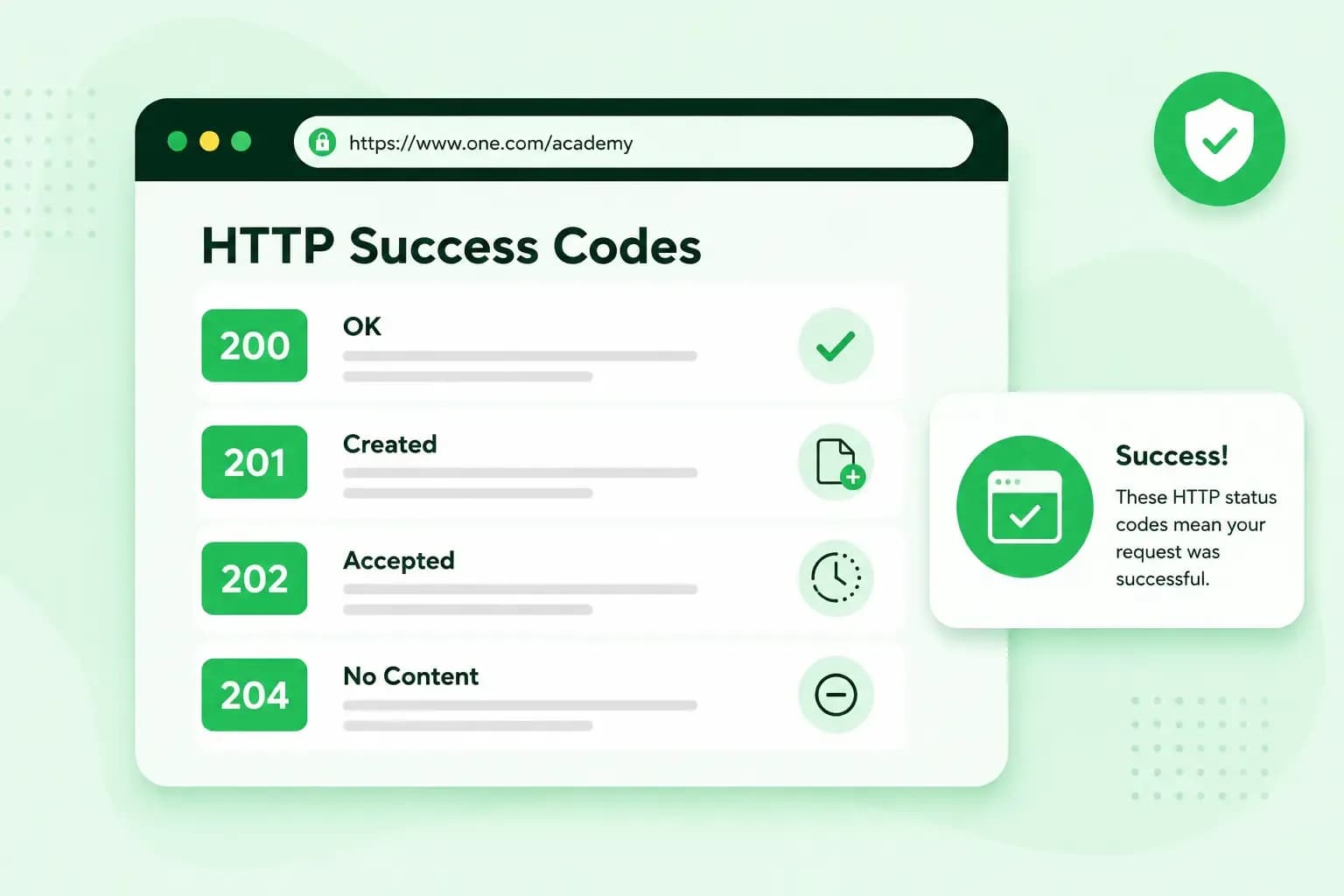
  • Illustration explaining HTTP success status codes 200 OK, 201 Created, 202 Accepted, and 204 No Content.
    Hosting27. Okt. 2025

    Was bedeuten HTTP 200, HTTP 201, HTTP 202 und HTTP 204?

    HTTP 200 ist ein Statuscode, der eine erfolgreiche Anfrage anzeigt. Wir zeigen Ihnen, wie Sie damit Ihre Website-Probleme beheben können.
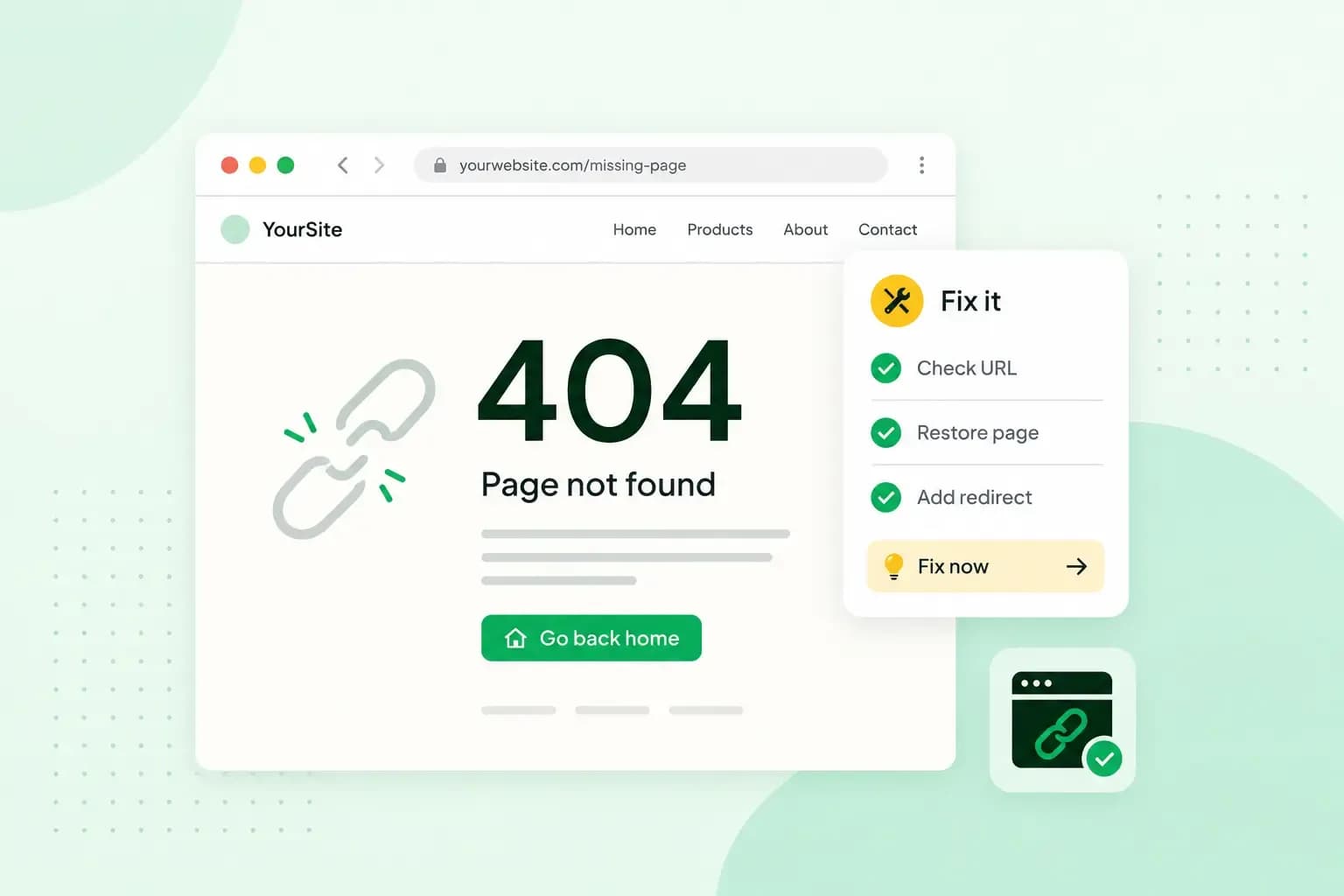
  • 404 error page showing “Page not found” with a broken link icon and steps to check the URL, restore the page, or add a redirect.
    Hosting17. Okt. 2025

    Was ist ein Fehler 404 und wie behebt man ihn?

    Ein Fehler 404 ist häufig, hat aber große Auswirkungen. Dieser Artikel zeigt Ihnen, was ein 404 Error ist und wie Sie ihn beheben.
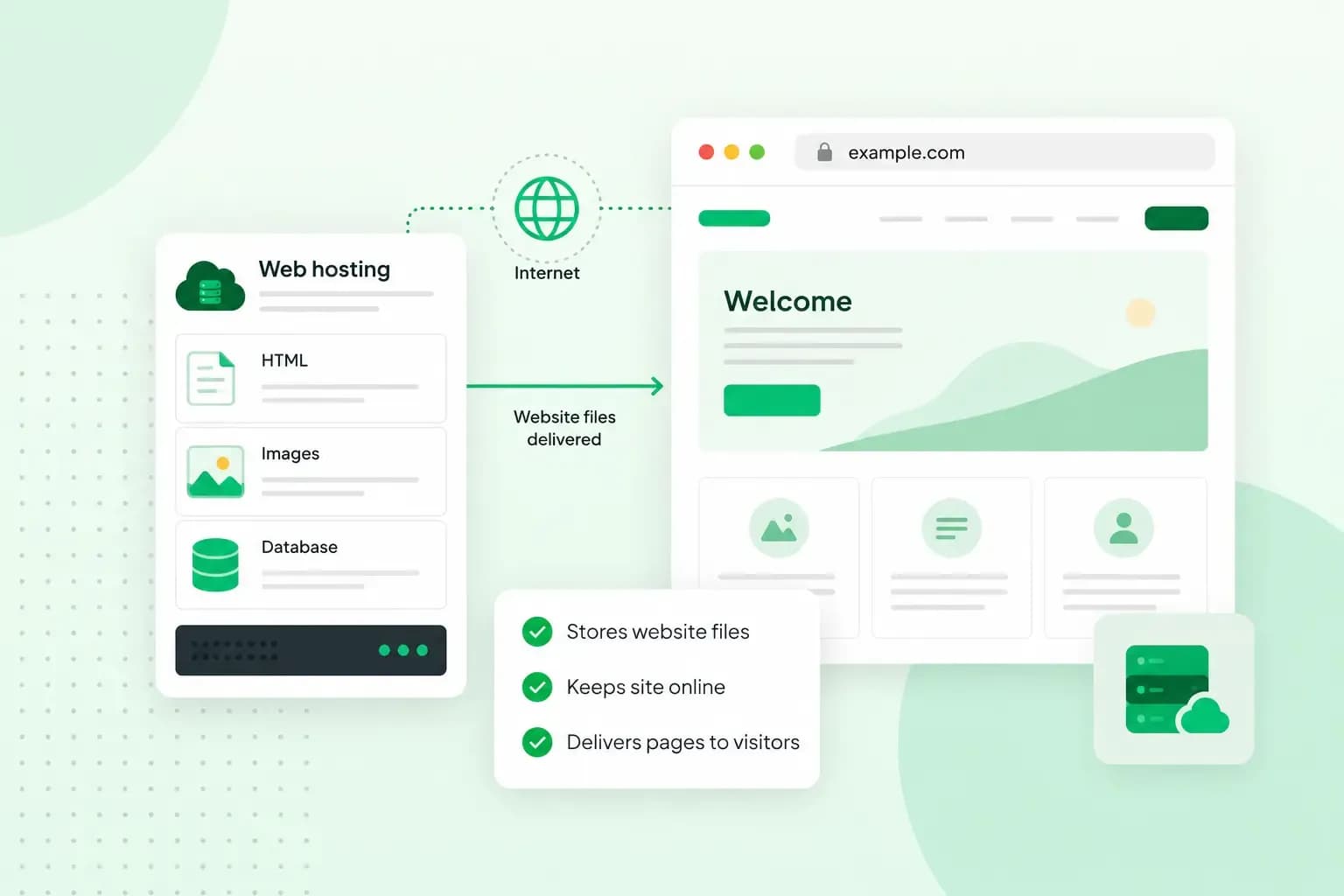
  • Web hosting illustration showing website files stored on a server and delivered over the internet to a live website.
    Hosting3. Okt. 2025

    Was ist Hosting?

    Webhosting leicht gemacht: Lernen Sie die Grundlagen kennen und finden Sie heraus, welcher Hosting-Typ für Ihre Website am besten geeignet ist – alles mit one.com.
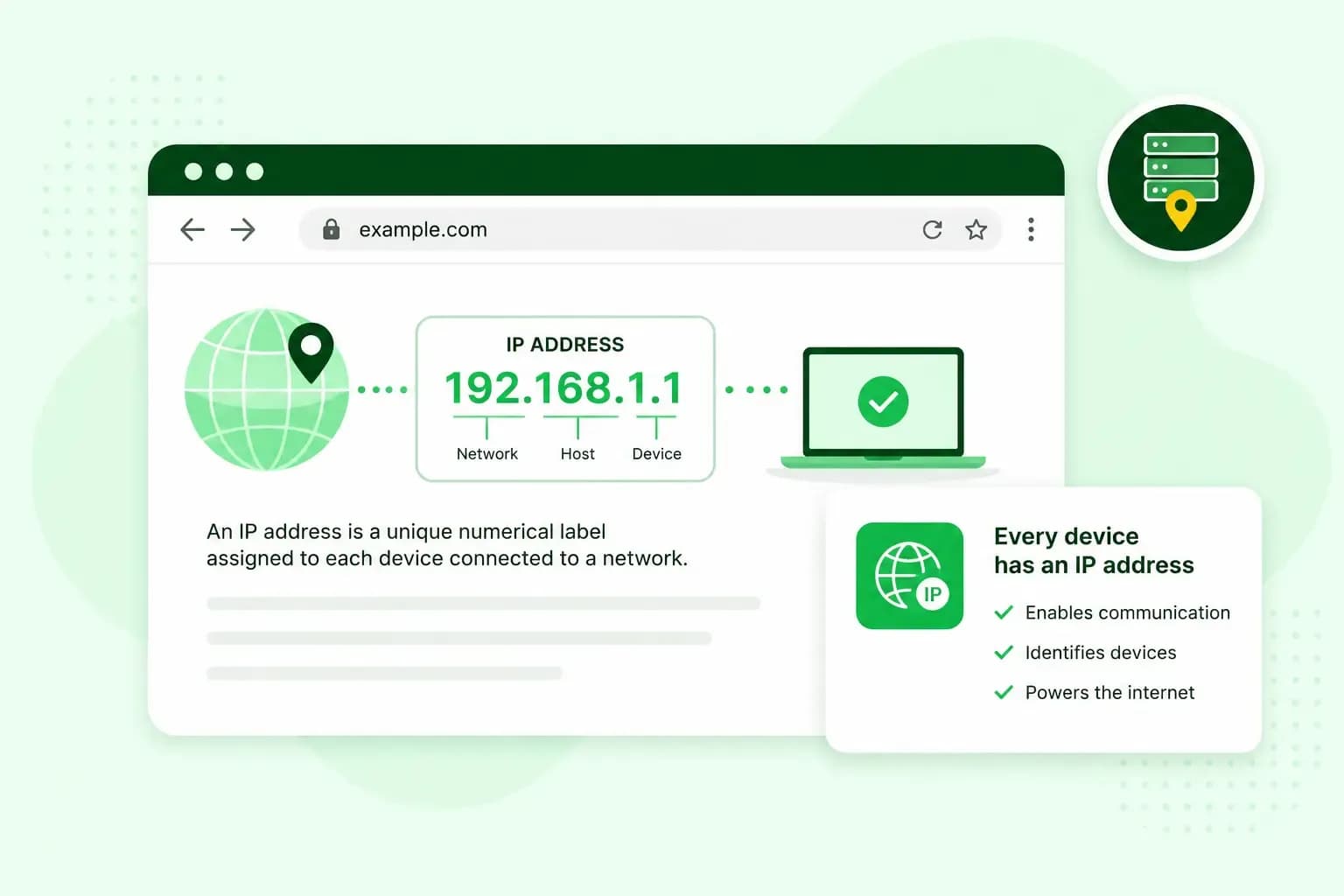
  • Illustration explaining an IP address, showing a globe connected to the IP address 192.168.1.1 and a device on a network.
    Hosting23. Sept. 2025

    Was ist eine IP-Adresse?

    Eine IP-Adresse ist eine Reihenfolge von Zahlen, die mit einem Gerät verknüpft ist, das mit dem Internet verbunden ist.
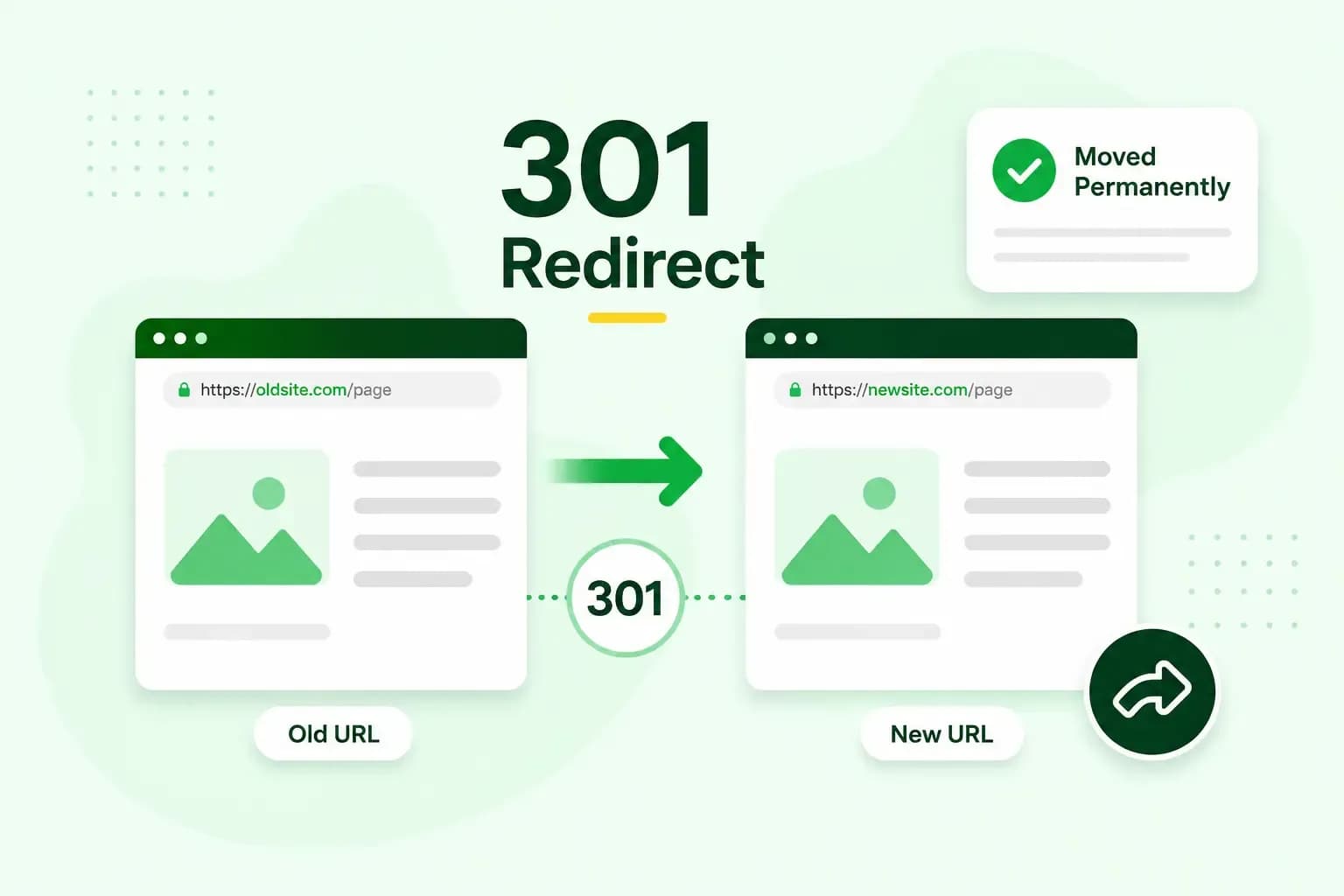
  • Illustration of a 301 redirect moving a webpage from an old URL to a new URL permanently.
    Hosting23. Sept. 2025

    Was ist eine 301-Weiterleitung?

    Mit einem 301-Redirect leiten Sie Besucher:innen und Suchmaschinen zu einer anderen Seite weiter. Dieser Artikel zeigt Ihnen, wie Sie das einrichten.
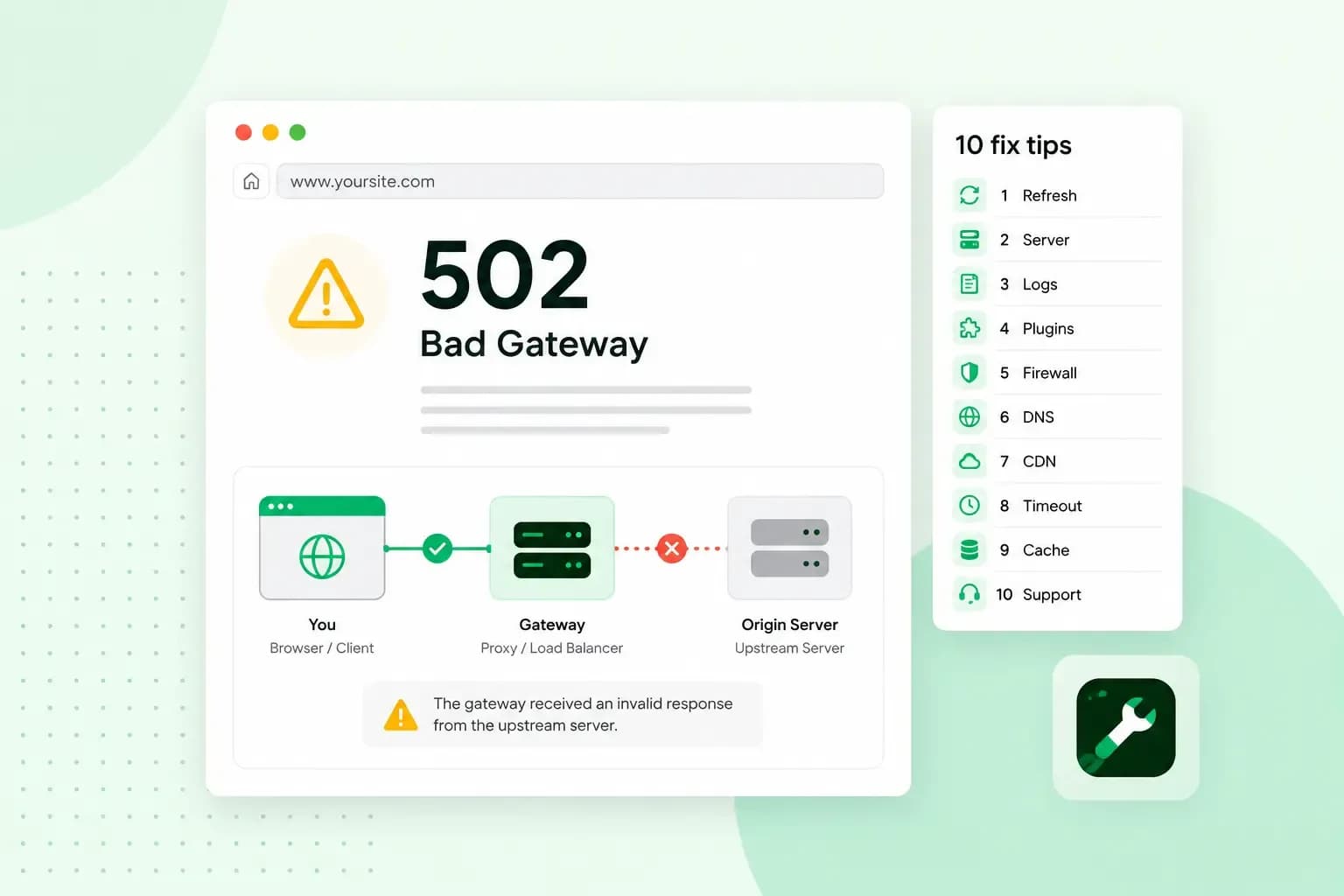
  • Illustration of a 502 Bad Gateway error showing a failed connection between a gateway and origin server, alongside 10 troubleshooting tips.
    Hosting1. Sept. 2025

    Was bedeutet 502 Bad Gateway? + 10 Tipps zur Fehlerbehebung

    Erscheint auf Ihrer Website ein 502 Bad Gateway? Dann sollten Sie ihn unbedingt beheben. Wir zeigen Ihnen in diesem Artikel 10 praktische Tipps.
  • MariaDB database management interface showing SQL queries, relational tables, schema connections, and open-source database features.
    Hosting3. Juli 2025

    Was ist MariaDB?

    MariaDB ist kostenlos, ermöglicht Ihnen effizientes Arbeiten und ist gut skalierbar. Wir zeigen Ihnen außerdem die MariaDB & MySQL Unterschiede!